Through immersive camps and real-world conservation internships, the Cary Institute and the Housatonic Valley Association are nurturing young people’s curiosity about nature and empowering them to become the next generation of environmental stewards and green professionals. By pairing scientific exploration with meaningful work in local ecosystems, these programs help young people envision a future rooted in environmental care and impact.
Ecosystems Summer Camp at Cary Institute
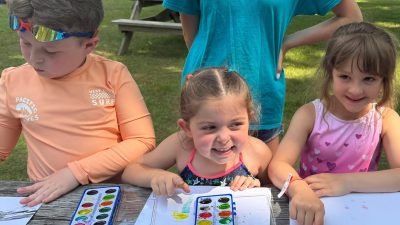
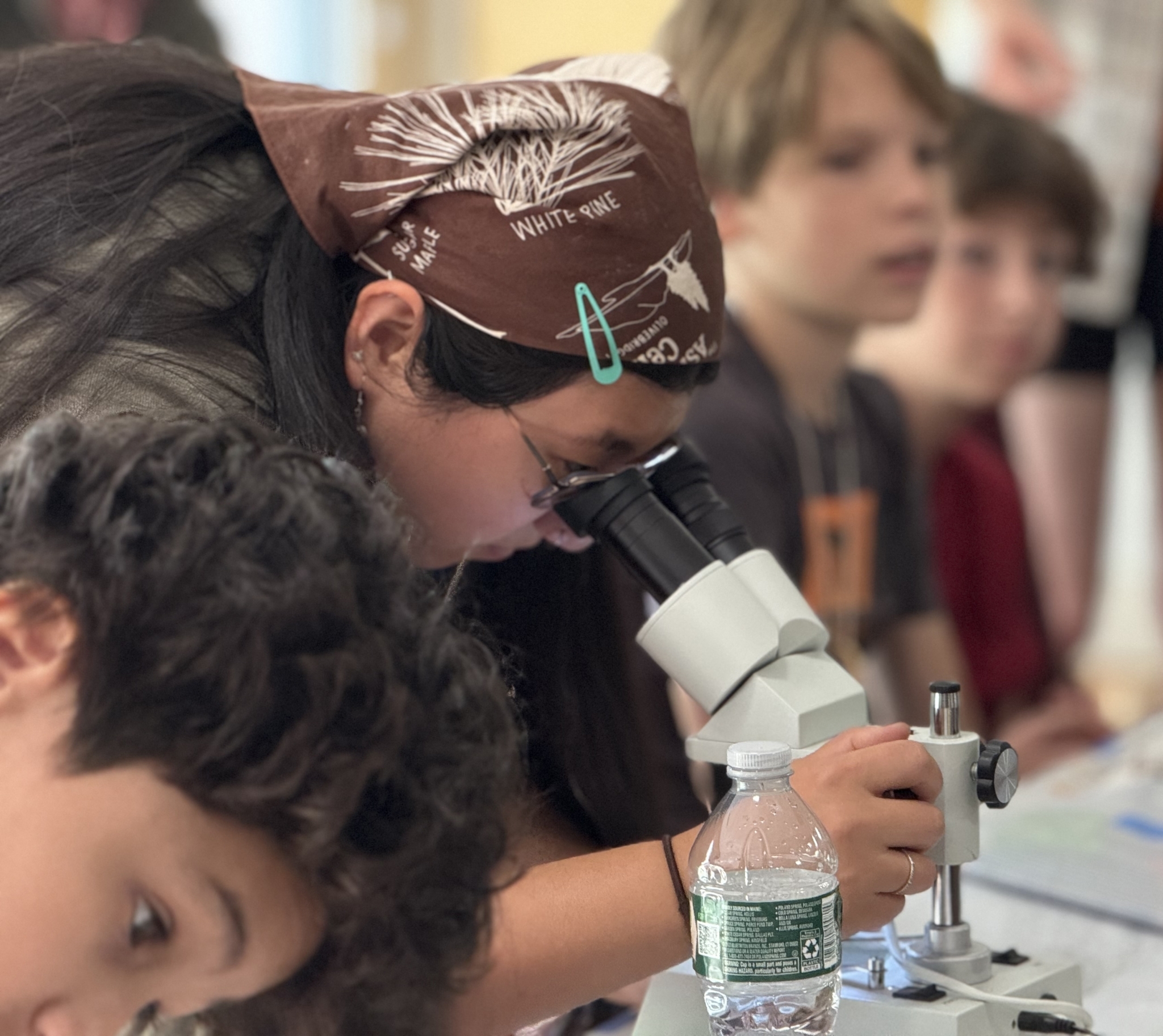
Cary Institute for Ecosystem Studies’ Summer Camp allows curiosity to lead young students’ journey into science. Through exploration and play, the program helps them develop scientific skills to learn about their natural environment. Campers ranging in age from 6 to 13keep nature journals, observe, ask questions, and learn how to use a microscope. In the process, they gain insight into the complexity of their local ecosystem. Working together, they explore creeks, meadows, and forests, learning how to identify organisms and consider environmental impacts. Collaborative exercises and socializing foster social-emotional growth.
Each summer, a different theme is explored. During the nine-week camp last year, “Micro-Worlds,” shone a spotlight on mosses, lichens, fungi, and other small organisms. Over 150 students got hands-on science lessons through outdoor field study and lab exploration. BTCF’s Northeast Dutchess Area Fund awarded full scholarships to twelve students from the towns of Dover, Millbrook, Pine Plains, and Webutuck.
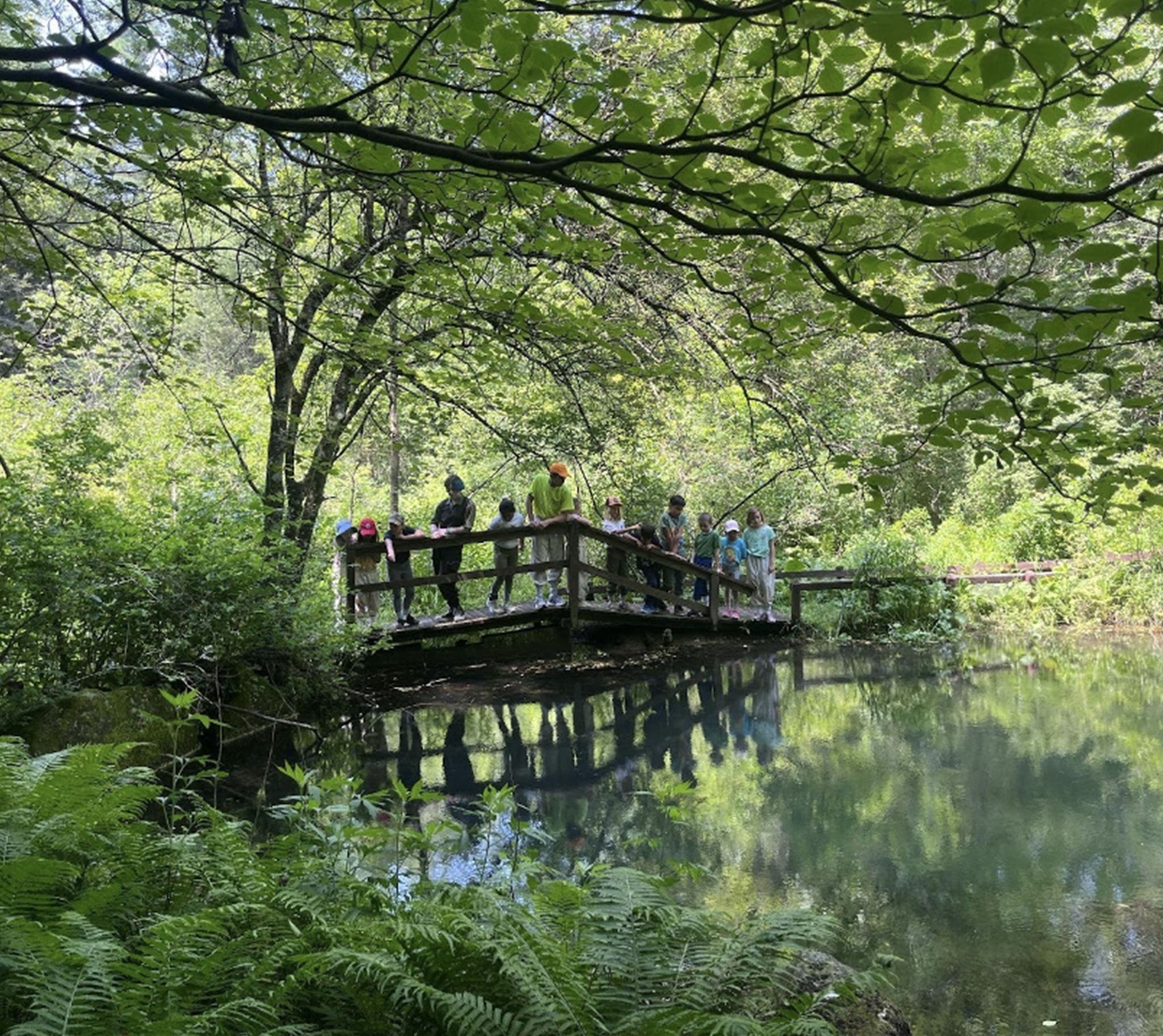
Ashley Alred, Education Program Leader, shares, “Camp is full of adventure and activities that spark curiosity, a place where kids can be kids: unstructured outdoor play, fascinating plants and animals, splashing in the creek, nature art, silly games, and new friends. Our goal is to create a holistic experience that leaves kids feeling like science is fun! “
As students build confidence exploring ecosystems and asking scientific questions, many are motivated to seek deeper, more sustained connections with the natural world.
While Cary Institute’s camps spark early interest and scientific skills, the Housatonic Valley Association builds on that foundation by showing older youth how environmental curiosity can grow into a career path.
Housatonic Valley Association’s “Ten Mile River Connections" Internship Introduces Youth to Local Water Conservation and Green Careers
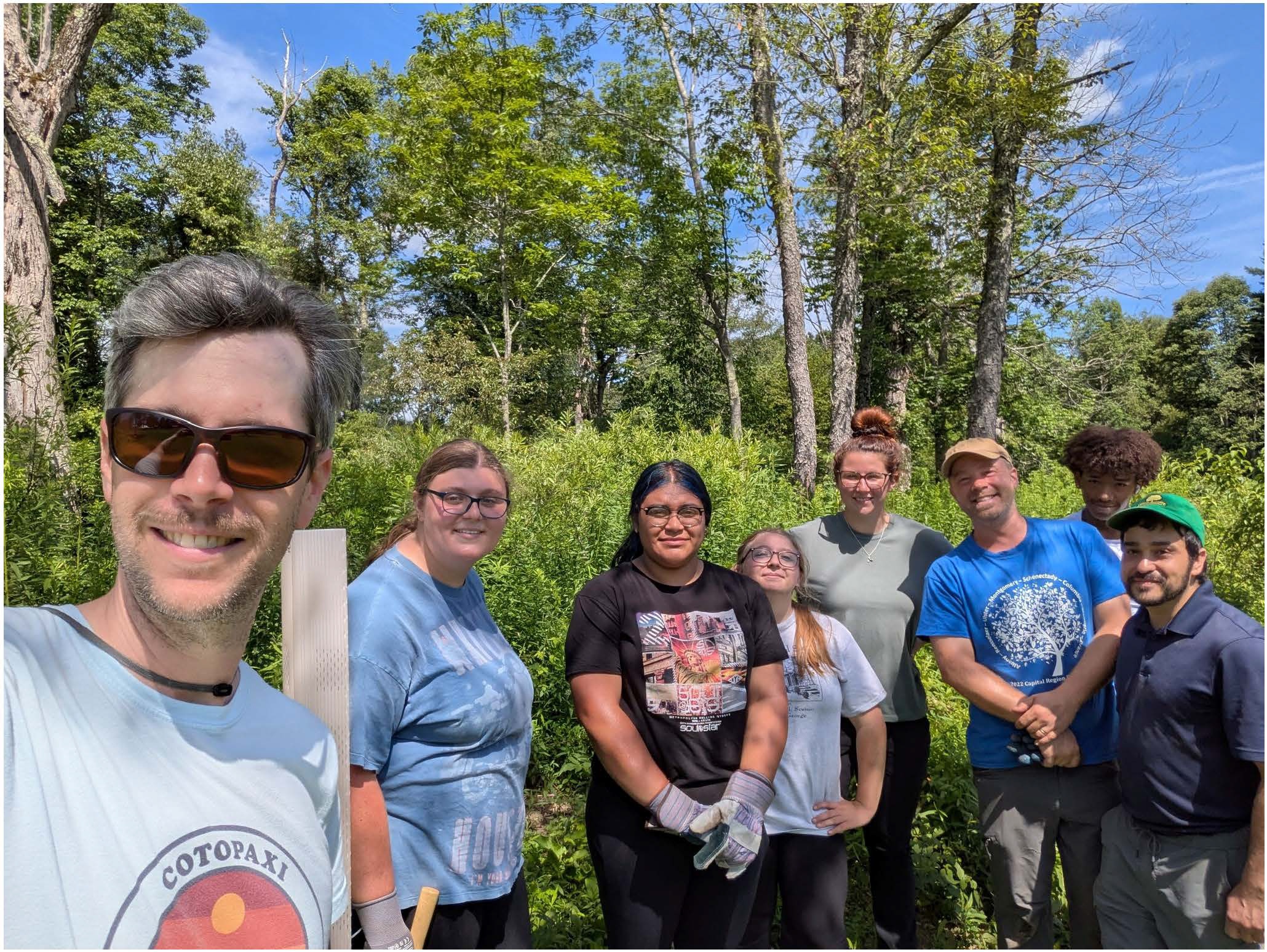
Housatonic Valley Association (HVA)’s year-long initiative, “Ten Mile River Connections: Building Community around Watershed Restoration” focuses on protecting water health for future generations. Through it, expert-led, paid summer internships educate youth to become tomorrow’s stewards of their home river's health. Through hands-on conservation experience and meet ups with local conservation professionals, students get a window into the field of local green jobs.
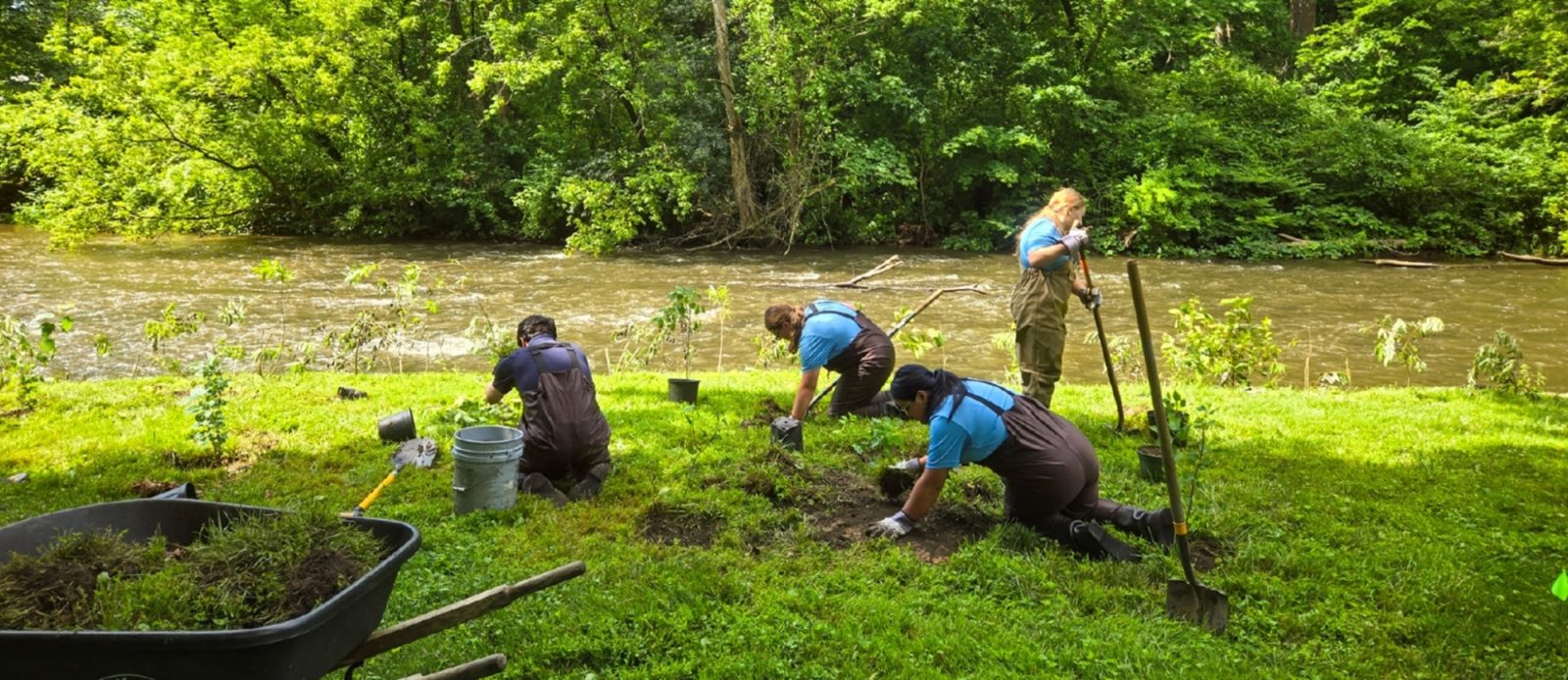
HVA staff led a youth Connections Crew of four interns at different sites in a variety of environmental stewardship activities. Outfitted with waders, work gloves, and hand tools, interns conducted stream data collection, fixed and maintained trails, and performed other hands-on field tasks to protect and improve their local environment. The crew also cleared invasive plants along the Ten Mile River in Dover to allow native trees and shrubs to thrive.
Beyond fieldwork, the program emphasizes professional development—helping interns see how their skills translate into future opportunities. Interns met with college students majoring in Environmental Science for a college Q&A at The Wassaic Project. They also conversed with staff at the Austerlitz Historical Society to learn about career paths in Natural Resource Conservation and Soil & Water Conservation. To round out their experience, and develop public speaking skills, interns presented their projects at the Ten Mile River Connections Symposium. In attendance were crew members’ families, HVA staff, and local conservation professionals.
One crew leader, Erik Reardon, HVA’s Berkshire Watershed Director, says, "Working in the environmental conservation field offers many rewards, but few compare to witnessing young people discover a newfound interest in the natural world, and take action to improve the health and well-being of their local environment. I look forward to seeing how these young folks continue to positively impact their communities and our watershed…and I’m confident that they will do just that!"
BTCF’s Northeast Dutchess Area Fund (NED) supported three interns and conservation experts to guide youth. Additional staff in project management and financial oversight were also supported. The “Ten Mile River” initiative is a collaboration with HVA’s nonprofit partner Cornell Cooperative Extension and the community. Together with Cary Institute’s immersive science programs, these efforts highlight a powerful model: engaging young people where they live, inspiring them through experience, and equipping them to care for, and work in, the environments that sustain their communities.