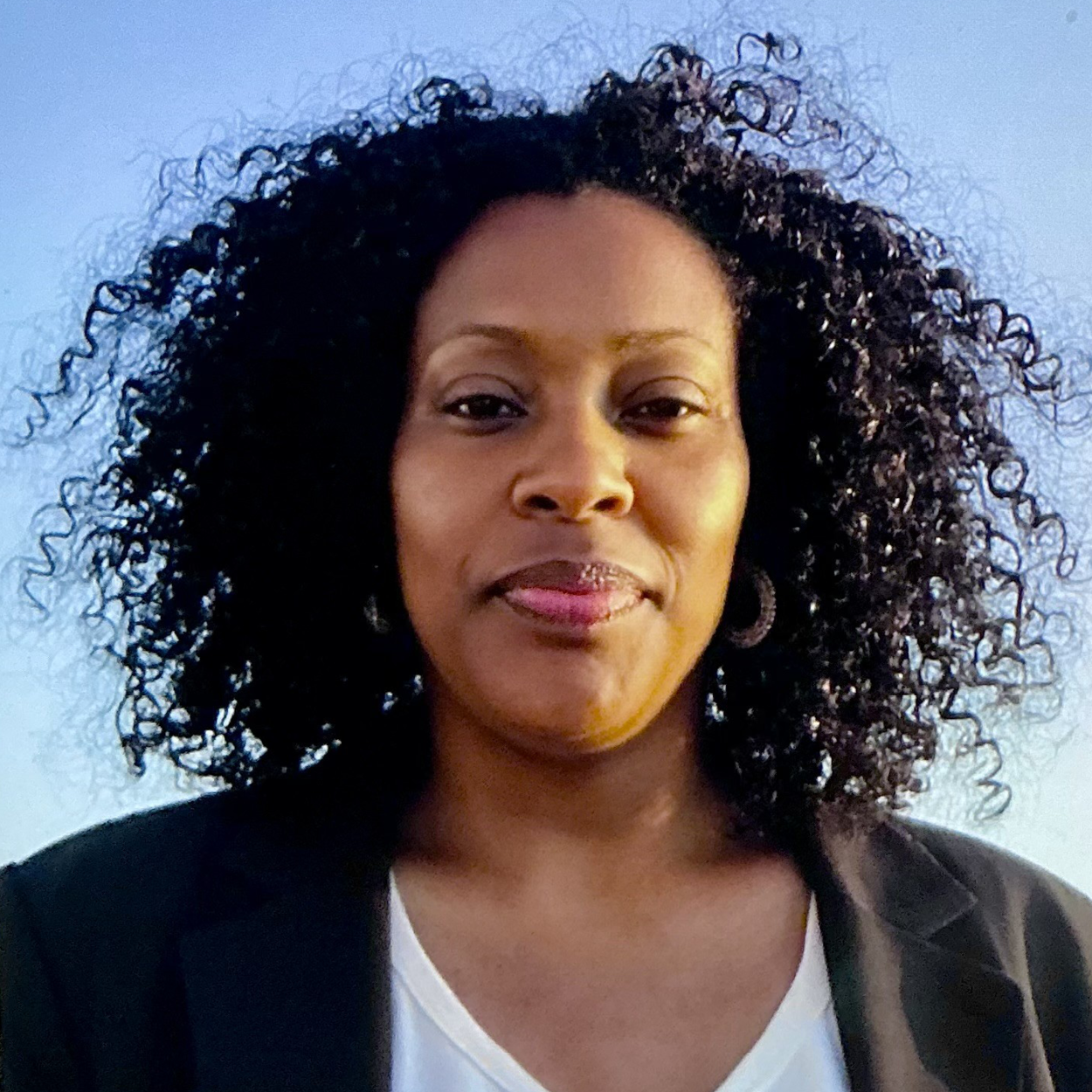
When Natale Monroe started navigating her treatment for breast cancer in 2023, there was something crucial missing. She needed someone with a shared cultural background, a mentor, who could understand her identities as a black woman, parent, and leader in her job. Someone who had undergone treatment and could show the way forward.
Monroe began to realize her experience was not uncommon; it reflected broader gaps in the healthcare system. People with historically underrepresented identities, including BIPOC and LGBTQ+ individuals, as well as men, often lack visibility and voice in support spaces for breast cancer support. Living in rural areas can make access to specialized care and support even more challenging.
Without culturally competent health care and support, patients can feel unseen and unsafe. Whether it’s questions about skin care or sexual health, a systemic lack of knowledge can impact outcomes.
An American Cancer Society report reveals that " Black women are still more likely to die from breast cancer than White women across the U.S., even though Black women have lower breast cancer incidence rates.”
When Monroe completed her treatment, she was determined to honor her own story and build a system to help others. She graduated from EforAll's accelerator program, taking second place. She also attended Blackshires’ Leadership Accelerator course, which guides community leaders in developing a vision and taking it to the next level. Armed with knowledge and support, she was clear about her next steps.
Monroe established her nonprofit Embrace & Empower in 2024. Its mission is to provide inclusive, culturally sensitive, identity-affirming mentorship, education, and emotional support to those impacted by breast cancer.
This year, she’s developing a mentorship program in partnership with Convivo, a nonprofit that provides training in communication skills and one-on-one coaching. Mentors will be trained to “listen, hold space, and share lived experiences responsibly,” Monroe says.
The pilot program is supported by the BTCF Equity Fund, which funds projects led by and/or holistically serving Black, Indigenous, and People of Color. Mentors-in-training will be breast cancer survivors who are one year from their last treatment. The pilot launches in October 2026 with 10 mentors. Pilot courses include cultural competency, trauma-informed care, and care for caregivers. Upon completion, mentors will be matched with a newly diagnosed community member.
Monroe will expand her mentoring skills through the pilot as well. She’s served as a mentor at Glens Falls Hospital and the American Cancer Society’s “Hope Club.” To increase her nonprofit’s long-term efficacy, she completed community health worker training at Berkshire Community College. She will also be taking an insurance coding and billing course through Cape Cod Community College.
Monroe continues to shine a light on the vital connection between visibility and healthcare outcomes—and find solutions. She just started a podcast, to launch soon. She talks to survivors, healthcare providers, and leaders in healthcare equity. Her first two guests are Dr. Nicole Payne of Berkshire Health Systems (owner of Quiessence Medspa & Wellness Center), and Deltra James, a breast cancer activist and artist.
“I strive to build a future where no one navigates breast cancer alone or unseen,” Monroe says.
Monroe has created an inspirational playlist for patients