Can you share an overview of your role at BTCF?
I serve as the Community Engagement Officer for Equity & Inclusion at BTCF. I help guide our Equity Fund, which supports grassroots groups and community leaders working toward racial justice and shared prosperity. A recent project I led was our participatory grantmaking process — bringing together local residents to review proposals and decide which initiatives to fund. It’s about shifting power and trust directly into the hands of the people most affected by inequity.
What interests do you have outside of work?
I have many — maybe too many! — interests, including martial arts and the arts in all forms: writing, acting, photography, and painting.
One of my deepest passions is ancestry. It’s personal and transformative. I’ve traced living relatives, rediscovered forgotten ancestors, and reconnected with the lands that shaped them. My ancestral research has yielded several discoveries, including lineage that connects to Sudan as well as the Gullah communities of North Carolina and Florida.
I was able to find the emancipation document of my fourth great-grandfather, Daniel Bacon — a tangible piece of freedom in my family’s story. I also discovered that my maternal grandmother, from the Ashby family (in America since 1727), was an English woman who bore two free sons by an African man, though they were indentured until age 30. That line produced two remarkable men. John W. Ashby, an oysterman, enlisted in the Union Army in 1864 as part of the 43rd Colored Infantry regiment. At age 40, he carried a flag reading “Freedom — FREE AT LAST” in Galveston, Texas, as he helped free the last enslaved people — an act now remembered as part of Juneteenth.
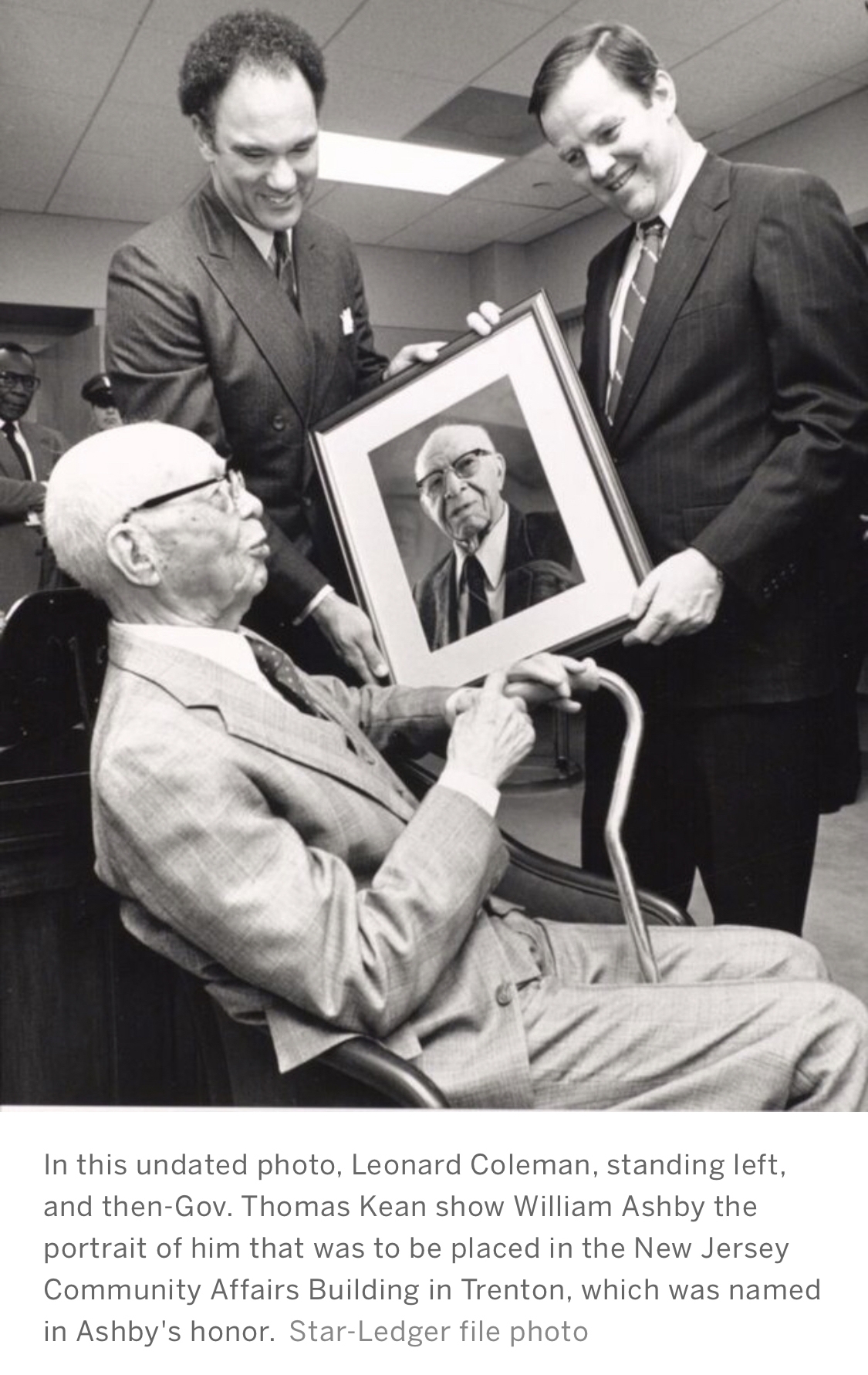
A generation later, William Mobile Ashby, likely his nephew or son, went on to have an esteemed career in community service, including roles as New Jersey’s first Black social worker, and one of its earliest sociologists. After graduating from Yale, he founded the Newark Welfare Foundation and Community Chest (1923), forerunners of the Newark United Way. He later served as director of the N.J. Urban League offices and served on the state’s Advisory Committee to the U.S. Civil Rights Commission and was co-founder the Newark Preservation and Landmarks Committee, among many other accomplishments.
Uncovering this history has been a deep source of pride, perspective, and strength. It reminds me that the freedoms we enjoy were won through unimaginable courage — and that the work continues. Their stories give me hope and courage to meet the challenges of this moment, and perspective on the gains we’ve inherited through the battles they fought. My master’s in Africana Studies has become a living part of my daily work — BTCF has given me the space to use that expertise in countless ways through the Equity Initiative.
In your time with BTCF, is there an accomplishment that is especially meaningful to you?
At BTCF, I’m honored to continue my family's legacy of service by helping fund community through programs and partnerships. Over the past two years, the Equity Fund has moved more than $300,000 — feeding families with fresh, locally grown food, paying artists, mentoring children, supporting families, and helping Black and Brown residents build solidarity and realize their dreams; together, we practice liberation in real time.
It cannot be overstated how incredible it feels for someone who once took a risk leaving home for the first time, only to be reborn in Schenectady — sleeping on the floor of a shared two-bedroom apartment on Hamilton Hill — to now be following in the footsteps of my ancestors and bettering my community in ways I never imagined possible. That was my deepest hope as a young adult: to make a difference in the lives of others. I’ve always believed that service to others is divine love.