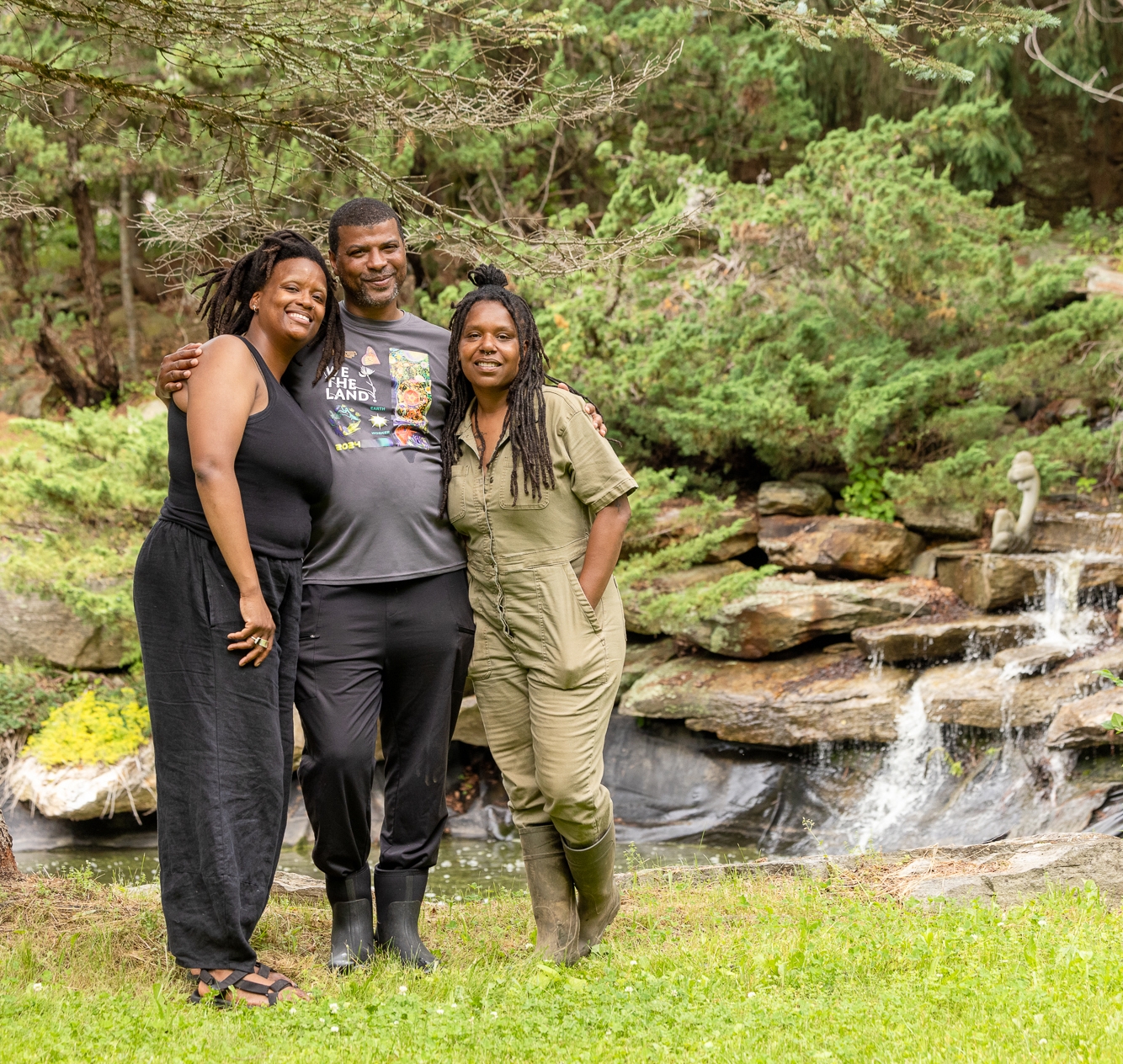
Wildseed Community Farm and Healing Village, a BIPOC-stewarded farm, is repairing a legacy of inequitable access to farmland and safe spaces by providing acreage to emerging BIPOC farmers, and a restorative natural setting for collective action, resilience, and joy.
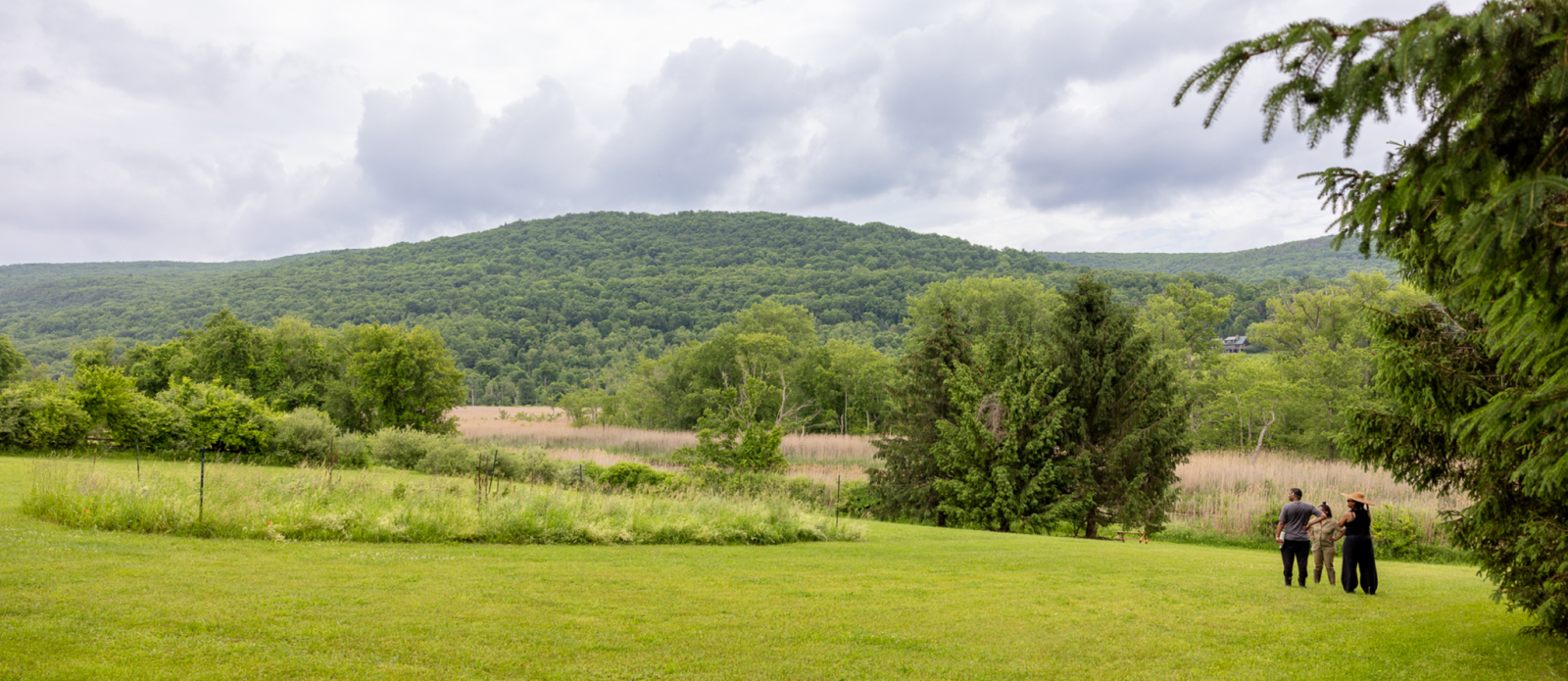
Spanning 181 acres in Northeast Dutchess County, N.Y., on land that is a reparations gift from a private owner, Wildseed brings its vision to life in a variety of ways.
Monti Lawson, Wildseed’s Infrastructure & Ecosystem Partnership Manager and farmer, shares that through the farm's “Room to Grow” program, BIPOC farmers receive access to farmland via a no-cost lease, and participate in skill-building workshops. Wildseed currently supports one farmer-in-residence on 7 acres of arable land, and is finalizing a site plan to add more farms on its 54 acres of arable land. Farmers are free to grow what they like; they are encouraged to align farming practices and crops to meet community need, including mutual aid programs.
Beyond providing land, Wildseed supports its BIPOC neighbors and builds community by hosting events throughout the year that offer restorative experiences.
“We Are Made of Stardust,” their largest gathering, brings over 150 people together annually for a “celestial campout” with a farm-to-table meal, music, and dancing. The farm also hosts retreats, “radical imagination” artist residencies, intergenerational play dates, and rites-of-passage programs.
Through these events, the farm’s mission comes to life through each person’s experience. Lawson shares, “It’s really beautiful for people to start their healing journey the moment they step on Wildseed.” He begins farm tours by asserting that Wildseed's land is BIPOC-stewarded. This fact can elicit intense emotions for visitors, tapping into complex or painful histories in relation to the land. It can also invite people to reclaim the land as a source of present-day healing.
Generating these opportunities for visitors to experience recovery and renewal is born from a robust, collaborative vision. Founded by the core group of farmers, artists and activists Naima Penniman, Jalal Sabur, Jasmine Burems, Diana Warwin and King Aswad, the realization of Wildseed has been over a decade in the making. Now celebrating its eleventh year, Wildseed has embarked on an ambitious site design process for a Food Hub, a multi-use space to be housed in a reimagined, 250-year-old barn on the property.
Wildseed is working closely with partners Sweet Freedom Farm and Rock Steady Farm, which form the Webatuck Valley Farm Collaborative (WVFC), to bring this project to life. The Food Hub will include a commercial kitchen and a public gathering space. Equally important, it will expand operations with the neighboring farms. Renovation plans include 2 walk-in coolers and a dry storage area, which will extend crop viability further into the growing season and address supply chain and distribution needs. The price tag for this project is a hefty $10 million, with $5.5 million already raised in a capital campaign.
Fundraising for the Food Hub has been boosted by contributions of time and expertise from several BTCF staffers in donor convening, philanthropic advice and community outreach. In addition, Wildseed has received grant support via Berkshire Taconic's Equity Fund, our Northeast Dutchess Fund, and our Planning and Technical Assistance program.
Looking ahead, Lawson is enthusiastic about the Food Hub supporting more BIPOC farmers as well as the local food system, and plans to host additional farmers from local Latinx and Indigenous communities. Lawson is also excited about the Food Hub’s potential to increase opportunities for local leaders and creatives with its new gathering space and community-building programs. The farm is also exploring ways to support small businesses and partner with artist collaboratives.
At the heart of all these efforts, Wildseed’s restorative vision threads together many elements, while centering on one key ethos: all forms of healing are interconnected. Land stewardship, respect for nature, personal transformation through rest, creativity and shared experiences, all create community health.
If you would like to support the Food Hub, you may donate here, using "WVFC" in the memo.